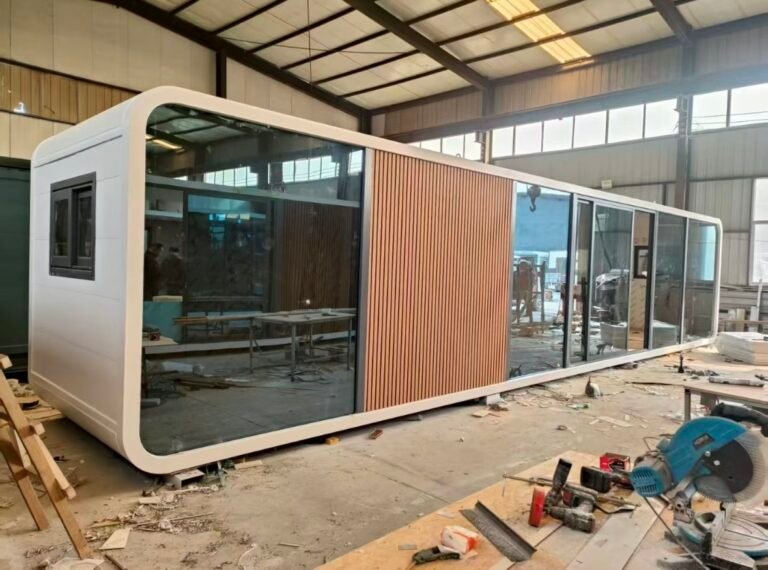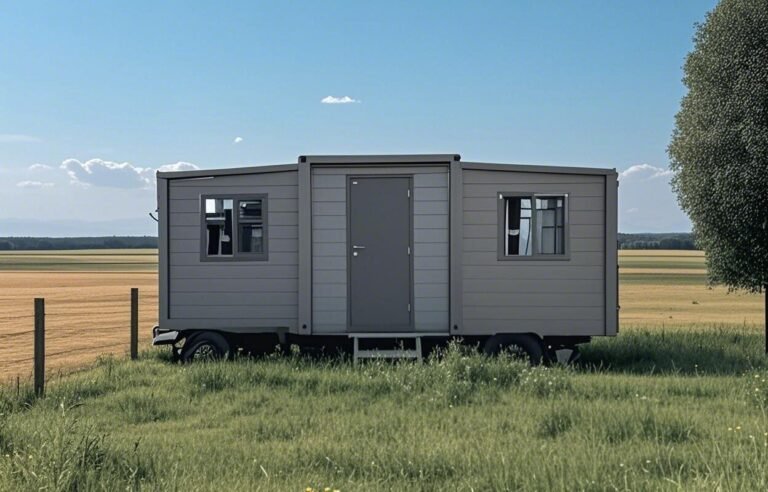
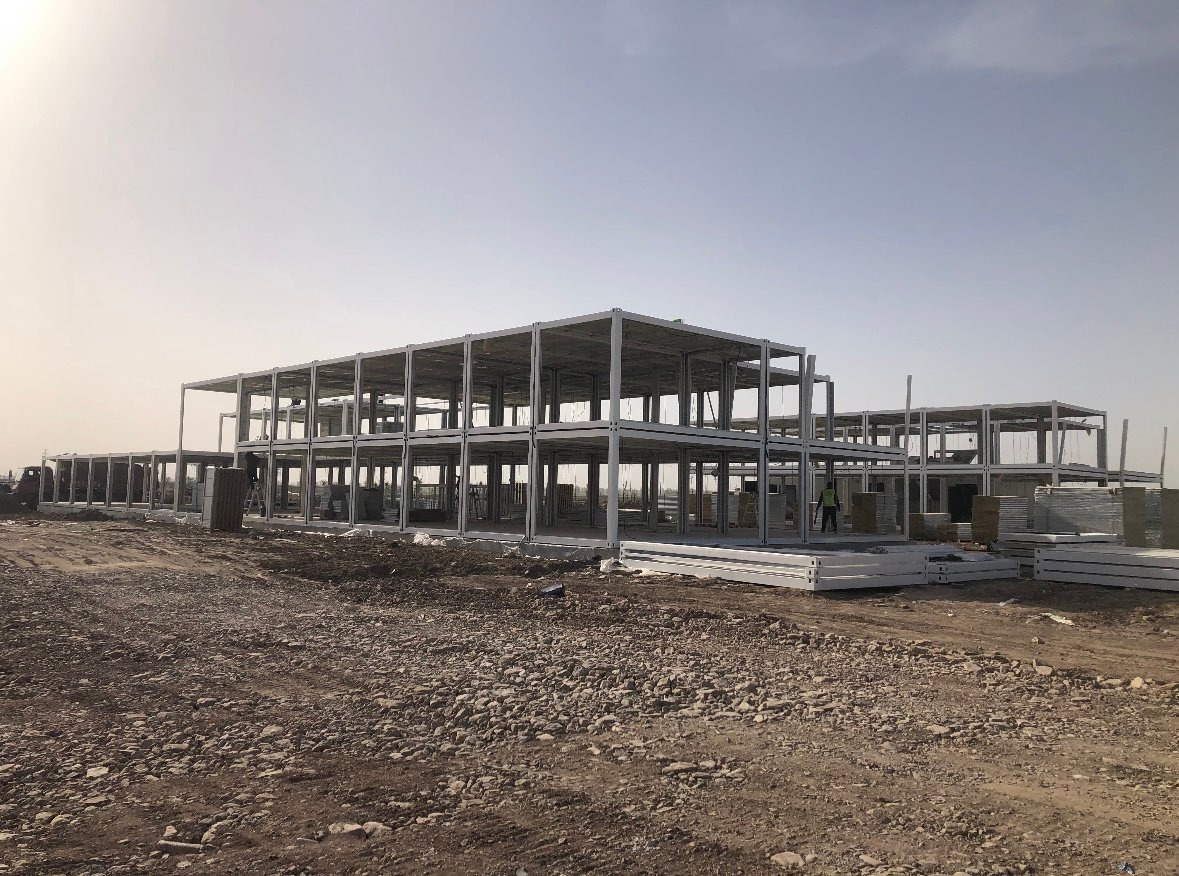
Why is the detachable container house the first choice for dormitory?
Introduction: The Dormitory Dilemma
Building large-scale dormitories for workers, students, or temporary projects is always a challenge. Investors and project managers are caught between tight budgets, strict deadlines, and long-term safety concerns. Traditional concrete construction takes months or even years. Renting existing spaces is often costly and inflexible.
This is why detachable container houses — also known as prefab dormitories or modular accommodation units — have rapidly become the go-to solution for large dormitory projects worldwide. But as demand grows, so does the number of unscrupulous sellers trying to profit from recycled and disguised second-hand units. If you are planning a container dormitory project, this article will show you both the benefits and the risks you must avoid.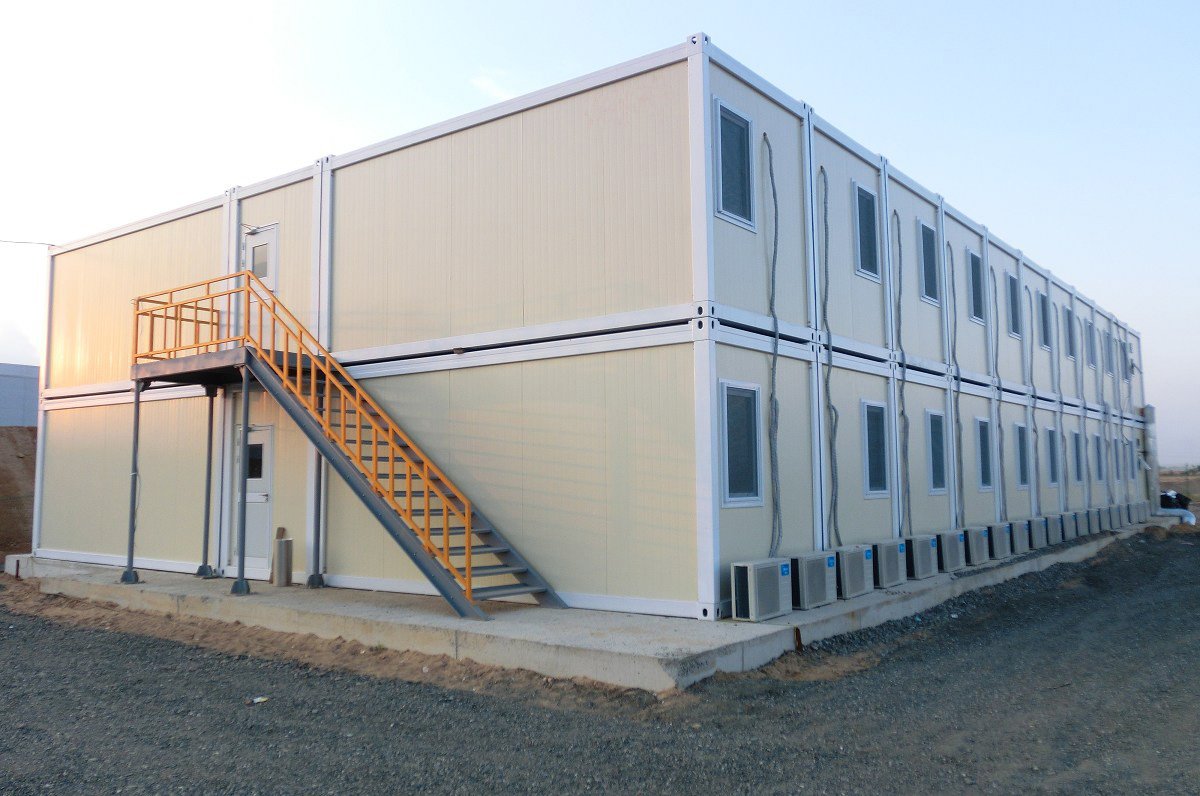
1. Why Detachable Container Houses Work So Well for Dormitories
Cost Savings
Compared to brick-and-mortar construction, a container dormitory can save 30–50% of upfront costs. Prefabricated production reduces material waste, and bulk orders for large projects drive the unit cost down even further.
Fast Deployment
Time is money. With detachable container houses, you can complete an entire worker dormitory project in weeks, not months. Factories handle precision cutting and welding, while on-site crews only need to assemble modules like building blocks.
Flexibility and Reuse
A detachable container house can be assembled, disassembled, and relocated several times. This makes them perfect for mining camps, construction sites, school dorms, or disaster relief housing. Instead of leaving behind permanent structures, you can move the investment to your next project.
2. The Truth: Not Designed for Unlimited Use
While detachable houses are reusable, they are not indestructible. Every disassembly and reassembly introduces small structural stress. A high-quality prefab dormitory can be moved several times, but pretending it lasts forever is a lie. Responsible suppliers will always explain this to buyers. If someone promises “infinite reuse,” that’s your first red flag.
3. The Dark Side of the Market: Recycled “Fake New” Units
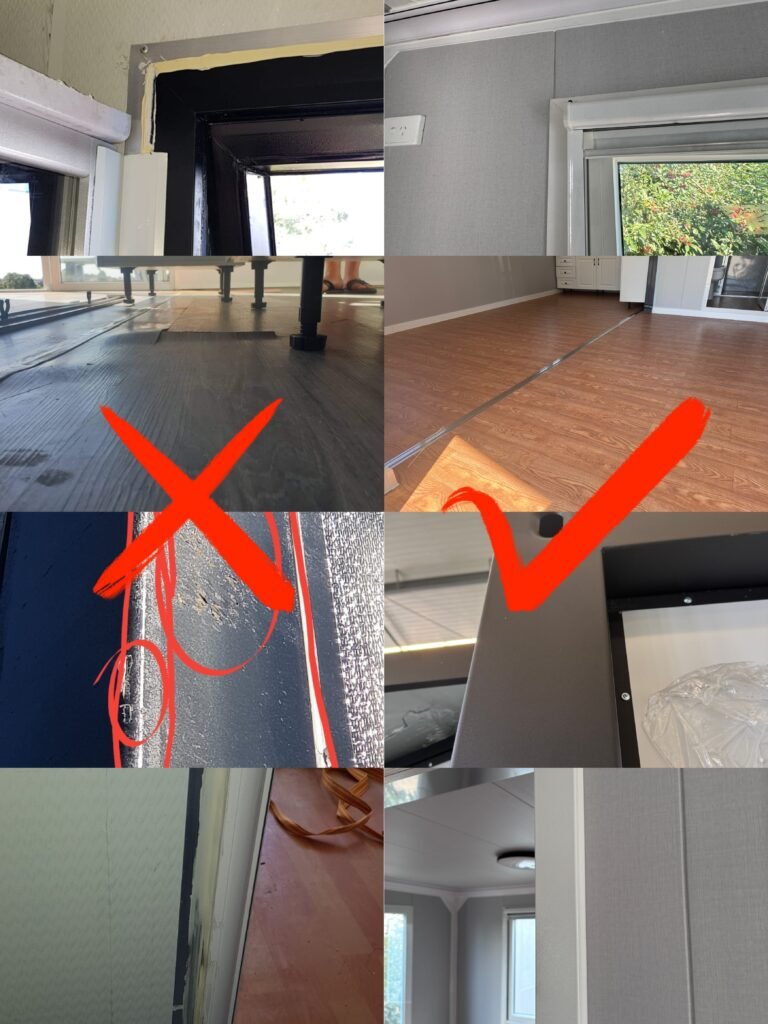
Here’s where things get dangerous. Some so-called suppliers collect old, heavily used detachable container houses, repaint them, and advertise them as “new” at unbelievably low prices.
- These units often have:
Hidden rust and corrosion inside the steel frame.
Weakened joints and panels that reduce safety.
Poor insulation after years of use.
A structure that simply cannot survive another relocation.
Who Pays the Price?
1.The Buyer — Lured by low prices, they later face constant repairs, water leaks, and even safety hazards.
2.The End-Users — Workers or students who have to live in unsafe dormitories.
3.The Honest Suppliers — Professional manufacturers who lose business because clients were tricked into believing a recycled house is “just as good.”
Buying recycled units is like saving a few thousand dollars today to risk millions tomorrow.
4. Real-World Applications of Detachable Container Dormitories
- When sourced from reliable manufacturers, detachable container houses provide unmatched value in:
Worker Housing: Large construction projects, oil & gas sites, or mining camps.
Student Dormitories: Quick and affordable solutions for expanding schools.
Emergency Accommodation: Disaster relief or refugee housing where speed is critical.
Seasonal Projects: Factories or agricultural sites needing temporary housing for hundreds of staff.
Each scenario requires durable, new, and properly certified prefab dormitories — not recycled ones.
5. Frequently Asked Questions (FAQ)
Q1: How many times can a detachable container dormitory be reused?
A: With proper handling, a new unit can usually be relocated and reassembled 3–5 times without major structural issues. Beyond that, wear and tear becomes significant.
Q2: Is a recycled container house cheaper in the long run?
A: Absolutely not. Initial savings vanish after you face repair costs, shortened lifespan, and safety problems. In most cases, buying new is actually cheaper over the dormitory’s service life.
Q3: What certifications should I look for?
A: Ask for ISO-certified steel, quality inspection reports, and factory installation guidelines. Serious suppliers provide these without hesitation.
Q4: Can container dormitories meet insulation and fire safety standards?
A: Yes, if produced by professional manufacturers. High-quality panels offer insulation for hot and cold climates, and certified fire-resistant materials are standard in compliant prefab houses.
6. Conclusion: Don’t Let Cheap Tricks Ruin Your Project
Detachable container houses are a game-changer for large dormitories — affordable, fast, and flexible. But the benefits only apply if you buy from trustworthy suppliers. The hidden danger of recycled “fake new” units cannot be ignored.
The lesson is simple:
If you want long-lasting, safe, and efficient accommodation, buy certified new prefab dormitories.
If you chase suspiciously low prices, you will end up paying twice — once with your money, and once with your reputation.
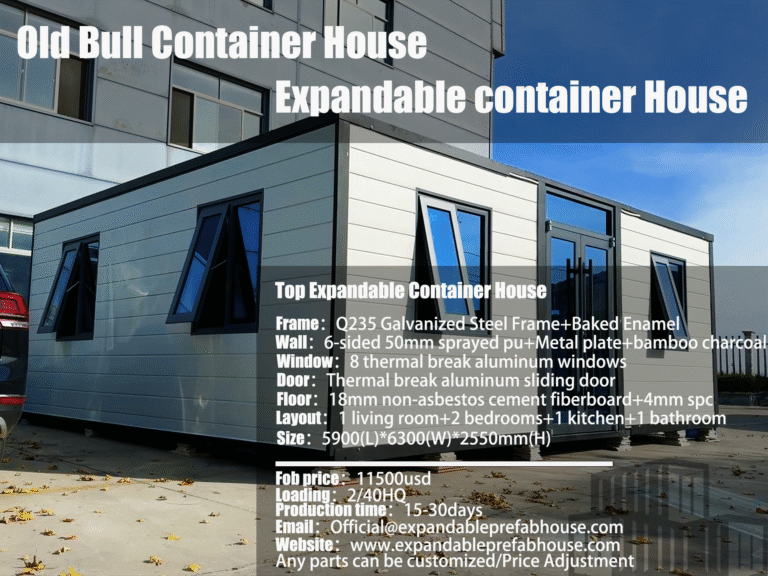
Choose Old Bull. A safe dormitory project starts with the right partner
More:
https://expandableprefabhouse.com/product/prefab-container-house/