What Kind of Container Home Do Australians Really Love?
What Kind of Container Home Do Australians Really Love?
1. Australia’s Housing Crunch and Rising Interest in Container Homes
Australian cities are facing a serious housing shortage—sky-high property prices, soaring building costs, and relentless demand are squeezing people’s budgets and patience. In this context, container homes Australia are gaining popularity. Prefab container homes and expandable container houses Australia offer a faster, cheaper alternative, space-efficient living, and a greener footprint—all big wins for Aussie homebuyers feeling trapped by the traditional market.
2. Why So Many Still Hesitate to Order One
Still, many are watching from the sidelines when it comes to ordering a container home. Word of mouth carries stories of shipments from China that fall short—poor finishing, leaks, condensation problems, and materials that don’t meet local standards. In online forums, some put it bluntly:
“Turning actual shipping containers into houses is pretty poor idea… you start with an uninsulated, flimsy steel box.”
— Reddit user sharing real concerns about build quality.
And others point out red tape and compliance nightmares:
“A lot of… requirements for a studio… ventilation, thermal insulation, waterproofing… needs care and attention.”
“Shipping Container homes are nonsense once you calculate the true costs… council permit issues… condensation.”
So yes, the hesitation is real—and often rooted in actual missteps.
3. Why Expandable Container Homes Are Winning Aussie Hearts
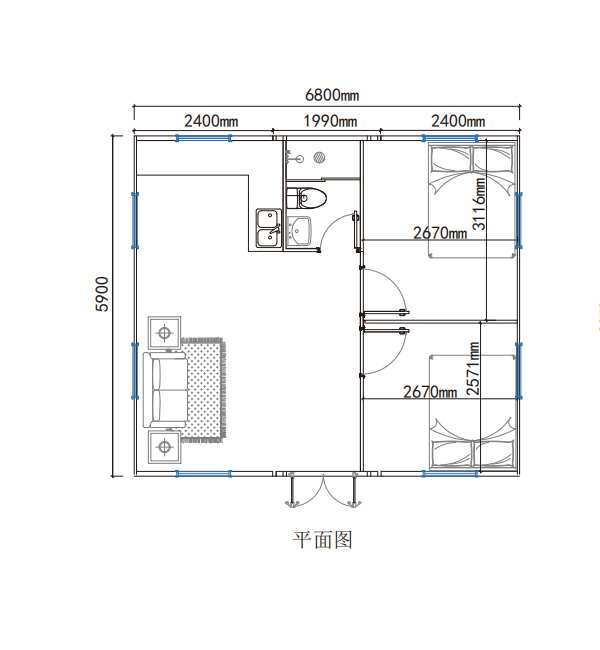
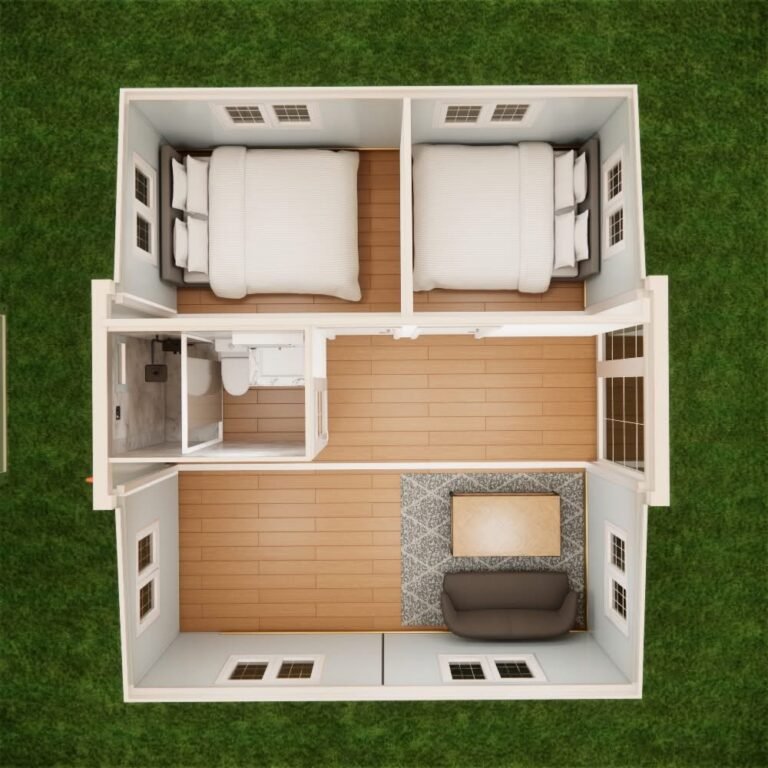
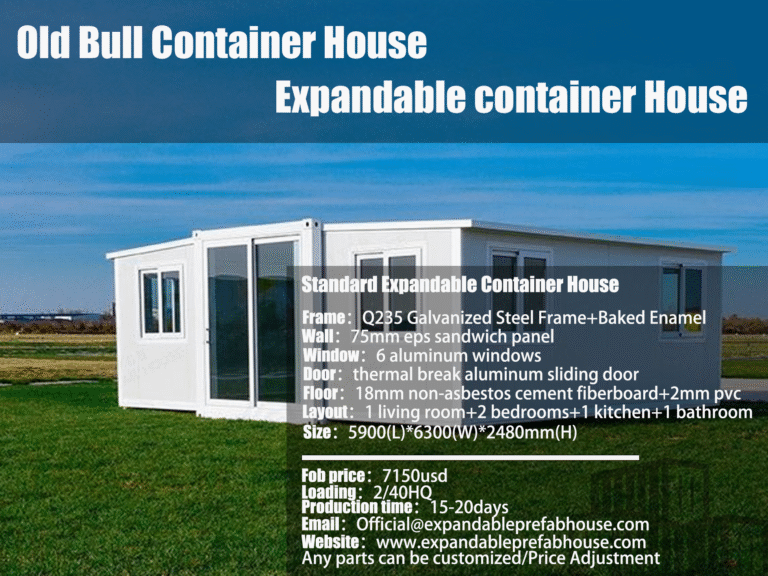
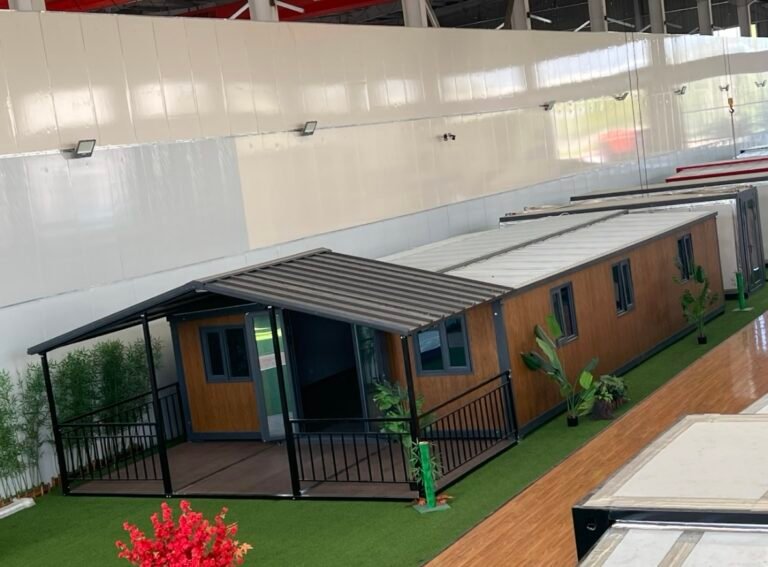
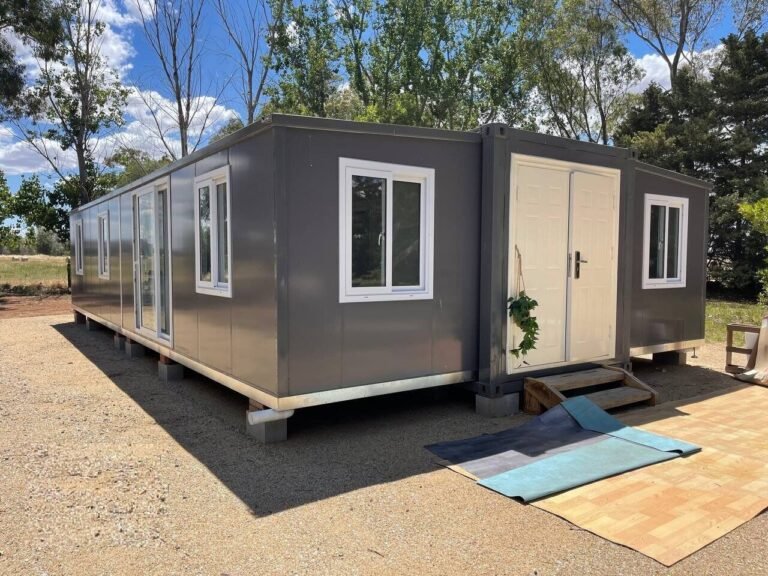
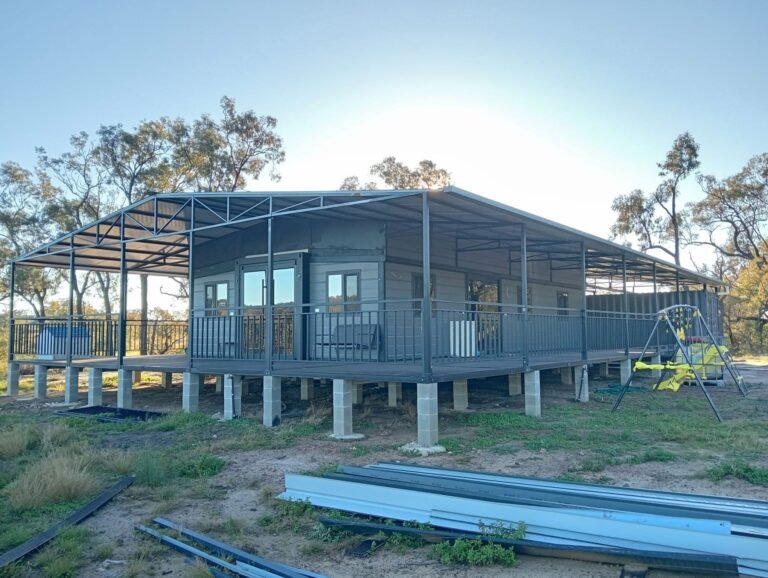
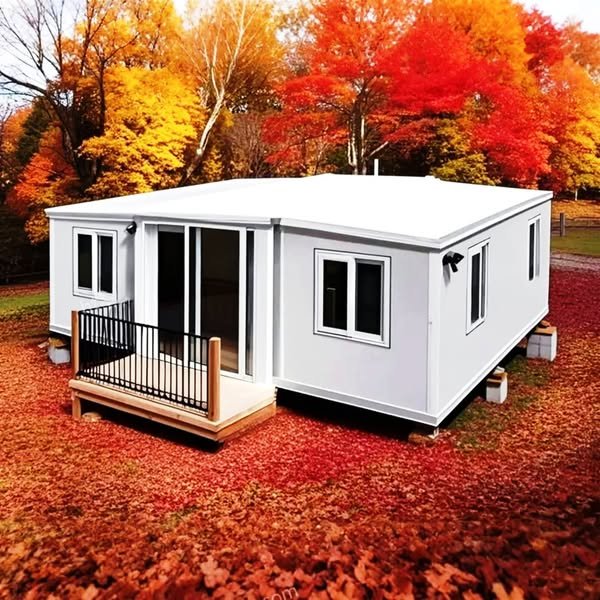
Then there’s expandable container homes—the solution that feels smarter and more Aussie. They’re modular, transport-friendly, and offer customizable design. Here’s why they stand out:
•Quick to deploy: Built off-site, then delivered and expanded on location—dramatically shorter lead times.
•Cost-effective & sustainable: These homes reuse steel containers, cut building time and costs, and lower carbon footprint.
•Climate-adaptive: High-grade insulation and clever design ensure comfort across Australia’s hot summers and chilly winters.
•Flexible uses: Ideal as holiday cabins, offices, granny flats, even Airbnb units—and expandable designs make that even easier.
•Modular beauty: The aesthetic, simplicity and durability resonate with Aussies who value smart, portable, and stylish solutions.
4. Choosing the Right Supplier—Focus on Quality, Not Price
So if you’re thinking, “Okay, I want to go for it—how do I make sure it’s worth it?”—the trick is choosing the right supplier. Here’s what to watch for:
•Anti-corrosion & waterproofing first: The harsh Aussie environment demands coatings, insulation, and waterproof seals that last—not just cheap shortcuts.
•Certifications and local know-how: Look for ISO, BV, CE, or local construction certifications. That way you’re covered if council come knocking or you need insurance.
•Thermal performance proof: Ask for case studies—insulation R-values, temperature data, demos in Aussie climates.
•Warranty that’s real: No fine-print exclusions. Ask if coastal corrosion, UV, and structure are covered.
•Support through approvals: A top supplier helps manage NCC codes, council permits, site assessments—so you’re not left in the weeds.
Bottom line? Don’t just chase the cheapest quote. Invest in quality—especially waterproofing and anti-rust. That’s where Old Bull Container House comes in. They offer rugged, Aussie-ready builds—no cutting corners, just solid, smart container homes that last.
More: